
The 9th John Ruskin Prize
Not for Present Delight
Deadline: Tuesday 17 November
Now calling for entries:
The John Ruskin Prize is one of the fastest-growing multidisciplinary art prizes in the UK, open to all artists, designers and makers, of all nationalities, aged 18 and over.
Work in any 2 or 3 dimensional medium is admissible. Submissions must be digital in format as work will be viewed and judged digitally.
Work must have been made over the past 4 years. The main criteria is that the work engages with the theme. Installation pieces comprising multiple smaller works, diptychs and triptychs will be considered as a single artwork when completing the submission form. Both individual artists/designers and collectives are eligible to apply.
Artists and makers can enter work in any and all media, including (but not limited to):
Animation
Ceramics
Collage, in all materials including photography
Combined work using both traditional media and digital elements
Digital artworks
Drawings, in all formats
Film / Video
Glasswork in all forms, such as stained glass or engraved glass
Installation
Paintings, all kinds and in all formats
Performative work, presented in a film format
Photography
Photographic elements, including those manipulated or collaged
Print, including etching, printmaking and lettering in all mediums
Sculpture, including lettering in all mediums
Sculptural work with film/ animation elements
Textiles and fabric
Typography and Calligraphy
Metalwork, including gold and silversmithing and heavy metalwork

This year’s theme:
This year's theme, ‘Not for Present Delight’ invites artists, designers, and craftspeople to question the role of the maker today, considering what it means to understand the world not only as it is, but as something we can actively shape.
In “The Seven Lamps of Architecture", Ruskin urged architects and masons to build as much with the future in mind as for the present day. The 9th John Ruskin Prize expands this idea across the fine and applied arts, opening space for reflection and discussion on how creative practices might carry forward-thinking intention, responsibility, and care.
In a time defined by environmental urgency and social inequality, Not for Present Delight asks what it means to create with an awareness of consequence, and to make work that looks beyond the immediate moment. The exhibition welcomes work that functions as a tool for change or critique, while also posing the challenge: must art serve a purpose beyond itself? Can it exist simply for pleasure, independent of moral or social obligation?
Prizes
1st Prize: £3000
Made possible by support from John Ruskin’s charity, the Guild of St George
The 1st Prize is kindly supported by the Guild of St George, the educational charity that inaugurated the first John Ruskin Prize in 2012 and has supported its development and evolution ever since. This prize aims to reflect a central thread of John Ruskin’s thought: that art has the power to reveal and celebrate universal truths, and that a good artist and maker in any medium should always be guided by that search.
The Alan Davidson Under 26 Prize: £1000
This prize is kindly sponsored by The Alan Davidson Foundation.
Ruskin Mill Trust Prize: £3,000
Awarded for a beautifully crafted functional object.
Chelsea Arts Club Trust Prize for mid-career: £2,500
Awarded to a mid-career artist who has been dedicated to their practice for a significant number of years and is not currently under gallery representation.
The GreatArt People’s Choice Award - £500 worth of materials (plus £100 worth of materials to one lucky voter)
“At GreatArt, we’re passionate about supporting artists at every stage of their creative journey. We believe that access to quality art materials, opportunities and platforms to share work can make a real difference in helping artists develop their practice and bring their ideas to life.
As part of our support for this year’s Ruskin Prize, we’re also delighted to be presenting the GreatArt People’s Choice Award, giving visitors the opportunity to have their say and celebrate the artwork that resonates with them most. We love the idea of putting the choice directly into the hands of the audience and recognising the personal connections that art can create.”
Miranda Forrester
Figurative painter
Meet the Judges

Adam Nathaniel Furman
Artist and designer
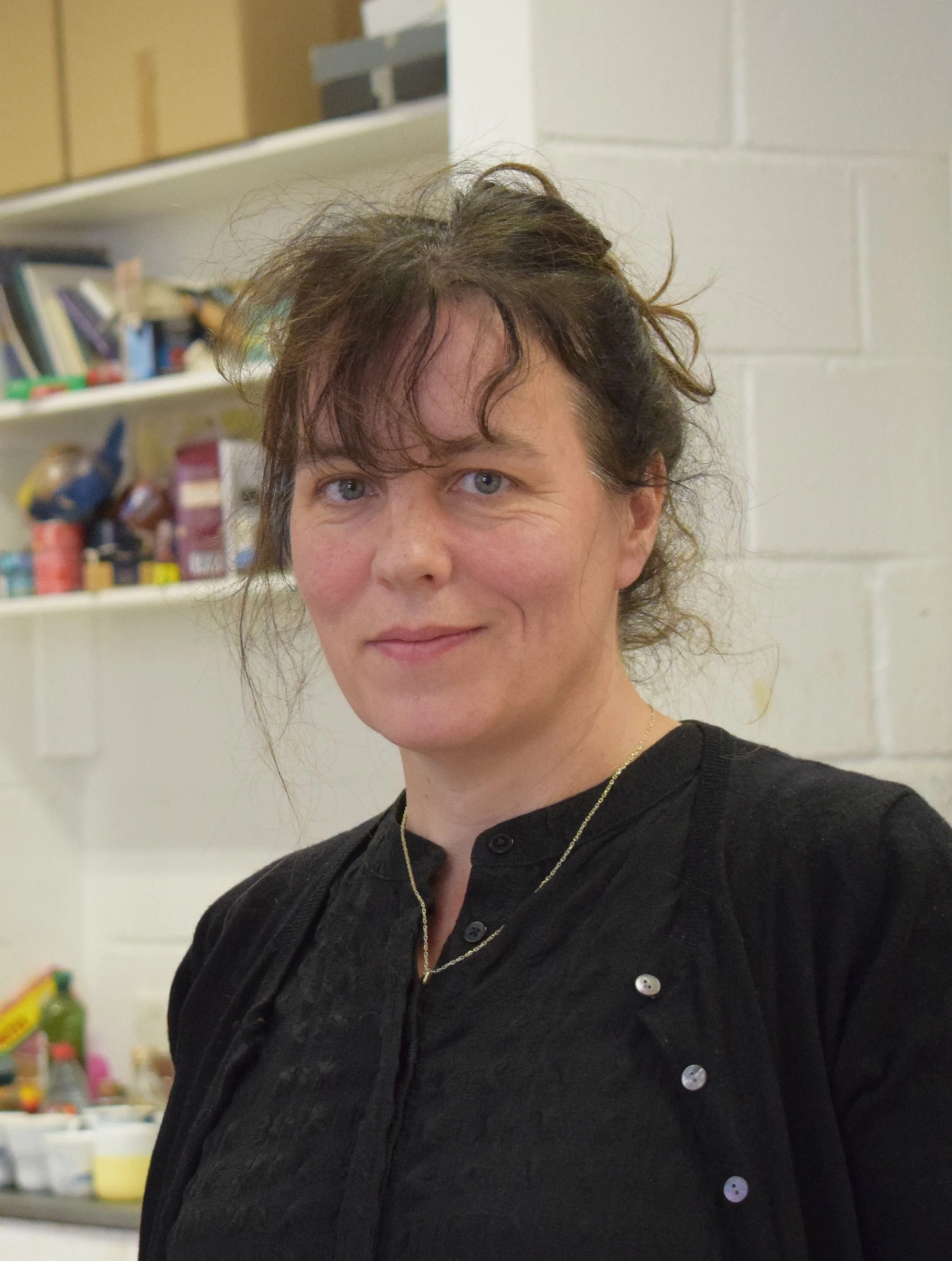
Ishbel Myerscough RA
Artist & Artistic Director, Royal Drawing School
Photo credit: Marie Mangan
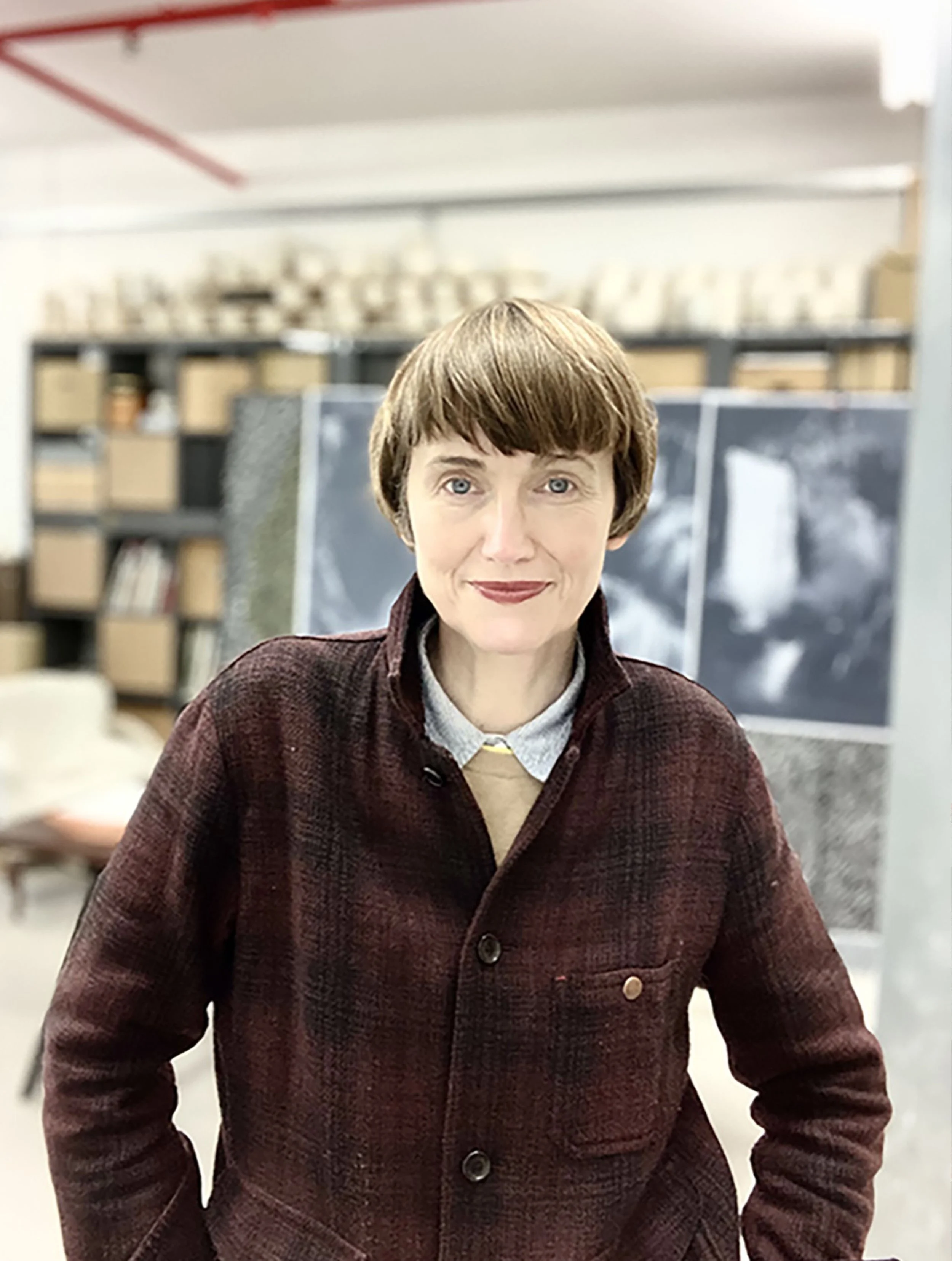
Clare Twomey
Clay artist and curator
““Let it not be for present delight, nor for present use alone; let it be such work as our descendants will thank us for.””
About the theme
This year's theme 'Not for Present Delight' invites artists, designers, and craftspeople to question the role of the maker today, considering what it means to understand the world not only as it is, but as something we can actively shape.
In the sixth chapter of The Seven Lamps of Architecture, Ruskin wrote: "Let it not be for present delight, nor for present use alone; let it be such work as our descendants will thank us for." This question could be extended far beyond buildings: what might change if we applied this thinking to every act of making? The 9th John Ruskin Prize opens space for reflection and discussion around how creative practices across the fine and applied arts might carry forward-thinking intention, responsibility, and care.
Ruskin believed that the way a society builds, crafts, and makes reflects its values. His critique of industrialisation was not merely aesthetic, he saw in mass production a moral failure: the replacement of lasting, considered work with objects designed only for the present. In a time defined by environmental urgency and social inequality, 'Not for Present Delight' asks what it means to create with an awareness of consequence, and to make work that looks beyond the immediate moment.
The exhibition welcomes work that functions as a tool for change or critique, while also posing the challenge: must art serve a purpose beyond itself? Can it exist simply for pleasure, independent of moral or social obligation? Ruskin's own words leave room for doubt. He does not dismiss delight or use outright. He asks only that neither be the limit of our ambition.
The question the theme puts to every maker is the same one Ruskin asked of every architect: when you make something, are you thinking only of now?
You may wish to read more through Ruskin’s writings:
The complete works can be read online or downloaded, for free, via The Ruskin at Lancaster University: CLICK HERE
The Seven Lamps of Architecture: CLICK HERE
An introduction to reading Ruskin: CLICK HERE
A selection of readings from The Stones of Venice: CLICK HERE